
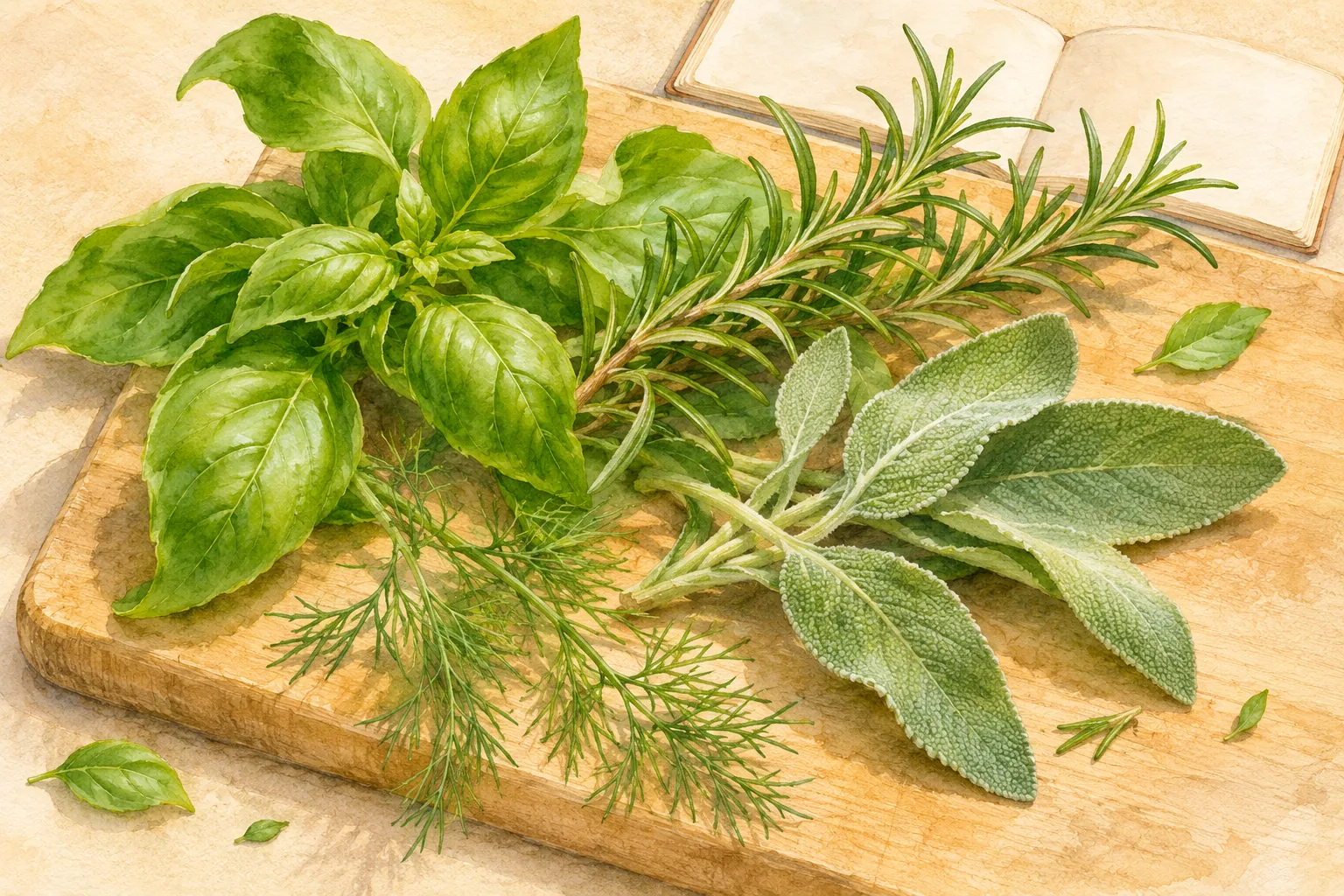
Nine herbs to know by taste
A sprig of thyme can spend an afternoon in a pot of beans. A handful of basil is best torn over the bowl at the table. Start with the herb you have, or pick one below to match what’s on the stove.
Jump to an herb Basil Chives Cilantro Dill Mint Parsley Rosemary Sage Thyme Three more to try
Basil
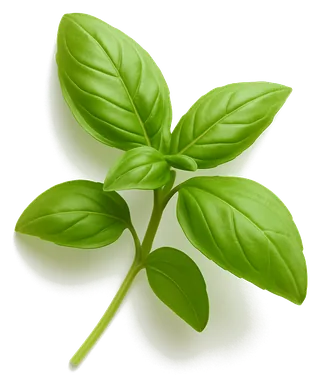
Sweet basil smells a little like clove and anise. A torn leaf gives off its scent as soon as it hits a warm dish.
Cook with it. Toss torn leaves through tomato pasta after taking the pan off the heat. For pesto, crush the leaves with garlic and pine nuts, then stir in olive oil and Parmesan. For basil shrimp with tomato and white beans, fold the torn leaves in after turning off the heat.
To finish. Layer whole small leaves between slices of tomato and mozzarella. Tear larger leaves just before serving.
Store it. Trim the stems and stand them in a little water on the counter, out of direct sun. Keep the leaves above the waterline. Refrigerator cold can blacken them.
Grow it Give basil a warm, sunny spot after the last frost and water it regularly. When you pick a stem, pinch just above a pair of leaves. Two new shoots can grow from that spot.
Chives
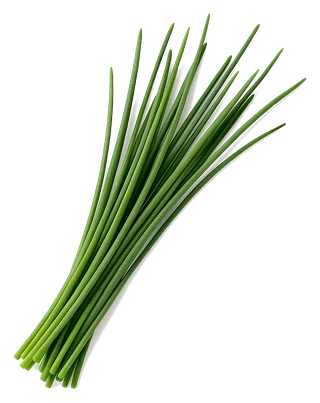
The hollow green leaves taste gently of onion. They bring a little bite to mild foods like eggs, potatoes, and fresh cheese.
Cook with it. Fold snipped chives into soft scrambled eggs as you take the pan off the heat. Or mix them with softened butter to melt over a baked potato.
To finish. Snip fine green rings over sour cream or a bowl of potato soup. Or toss them through citrus-Parmesan Brussels sprouts just after dressing the hot sprouts.
Store it. Wrap the dry leaves loosely in a barely damp paper towel. Slip them into a bag in the refrigerator and snip off what you need.
Grow it Plant a clump in a sunny pot. Snip a few hollow leaves near the base for dinner and leave the rest growing. If the clump gets crowded, divide it in early spring.
Cilantro
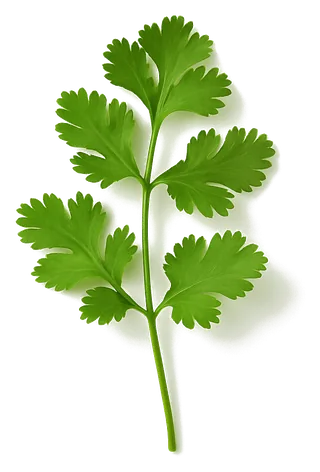
The leaves taste bright and citrusy, with a peppery edge. The tender stems carry plenty of that same flavor.
Cook with it. Finely chop the tender stems for a lime salsa or green chutney. Fold in the leaves at the end so you can still taste them alongside the chile.
To finish. Scatter leaves over black bean tacos. For hot honey cornbread panzanella, toss half the chopped cilantro with the warm bread and squash, then scatter the rest on top.
Store it. Trim the stems and stand the bunch in an inch of water in the fridge. Cover the leaves loosely with a bag and change the water daily.
Grow it Sow cilantro directly where you want it to grow. Its long taproot makes transplanting tricky. Sow a small patch every three to four weeks in cool weather so younger leaves are ready as older plants flower.

Dill
The feathery fronds have a grassy sweetness and a light anise aroma. That freshness suits both rich fish and cool, crisp cucumbers.
Cook with it. Fold chopped fronds into yogurt with grated cucumber and lemon. For salmon, stir dill into a warm butter sauce after the pan comes off the heat. In salmon with lemon-dill chickpeas and feta, the chopped fronds go into the chickpeas with the cucumber.
To finish. Pull apart the soft fronds with your fingers. A few on each deviled egg or buttered new potato give you dill in every bite.
Store it. Stand a tall bunch in a little water in the fridge. Wrap shorter sprigs in a barely damp towel and refrigerate in a bag.
Grow it Sow dill directly in a sunny spot with soil that drains well. For a steady supply of fronds, sow a pinch of seed about every two weeks. Leave one plant to flower if you’d also like dill seed.
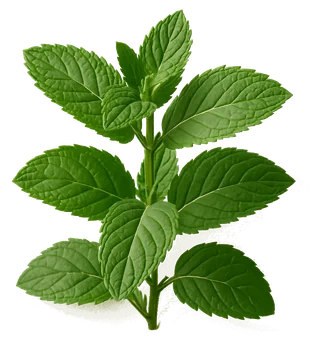
Mint
Spearmint, a common kitchen mint, tastes sweet and cooling. It works as well with peas and salty cheese as it does with fruit.
Cook with it. Stir chopped mint into a bowl of warm peas and butter just before serving. For a cold dish, toss torn leaves with watermelon, feta, and lime. For a Mint Julep, gently press the leaves into simple syrup until you can smell the mint.
To finish. Small whole leaves sit nicely on sliced peaches. For a spoonful of mint in every bite of yogurt, slice larger leaves into fine ribbons.
Store it. Trim the stems and stand the bunch in a little water in the fridge. Cover it loosely and tear the leaves when you’re ready to use them.
Grow it Give mint a pot of its own above ground so its runners stay contained. A spot with light shade works. Snip the stem tips as you cook to encourage fresh shoots.

Parsley
Flat-leaf parsley has a clean, grassy flavor with a little pepper. A generous handful makes it a main ingredient in tabbouleh.
Cook with it. Chop the leaves and tender upper stems for tabbouleh with bulgur, tomato, and lemon. The tougher lower stems can go into a pot of stock.
To finish. For gremolata, finely chop parsley with garlic and lemon zest. Sprinkle it over braised meat, white beans, or roasted carrots at the table. For seared steak with lemony chickpeas and feta, leave the parsley in larger, torn pieces.
For roasted cabbage with mustard lentils, stir chopped parsley into the lentils after dressing them. Explore parsley pairings.
Store it. Refrigerate the bunch with its cut ends in water and a loose bag over the leaves. Change the water daily.
Grow it Keep the soil evenly moist. When you need parsley, follow an outer stalk down to the base and cut it there. The small leaves in the center will keep growing for your next harvest.
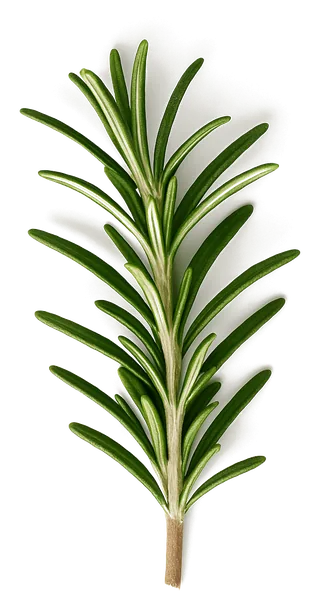
Rosemary
Rub a needle between your fingers and you’ll smell pine. Rosemary is resinous and strong enough to season a tray of potatoes with a small sprig.
Cook with it. Chop the needles finely for roast potatoes. For chili-maple turkey, tuck whole sprigs beside the citrus and garlic in the roasting pan.
To finish. Chop a few needles very finely and mix with flaky salt. Sprinkle a pinch over hot focaccia so you get the aroma without a mouthful of needles.
For rosemary toast with white bean and leek soup, chop the needles finely and brush them onto the bread with olive oil before baking. Explore rosemary pairings.
Store it. Roll the dry sprigs in a barely damp paper towel and refrigerate them in a bag. Leave the needles on the stem until you need them.
Grow it Start with a small plant or a rooted cutting. Give it full sun and a pot with drainage holes. If your winters are cold, choose a pot you can move to a bright indoor spot before a hard freeze.
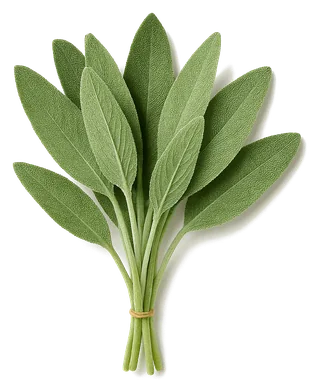
Sage
Sage has soft, slightly fuzzy leaves and an earthy, piney flavor. Butter carries its aroma particularly well.
Cook with it. Add a few whole leaves to foaming butter. Let them crisp as the butter browns, then spoon the butter over squash ravioli or roasted pumpkin.
To finish. Lift the crisp leaves out of the pan and set them on the pasta just before serving. They also make a good crunchy topping for butternut squash mac and cheese.
In squash and sage barley risotto, thinly sliced leaves simmer alongside the squash. Explore sage pairings.
Store it. Wrap the sprigs loosely in a barely damp paper towel and tuck them into a bag in the crisper.
Grow it Give sage full sun and soil that drains quickly. In spring, wait until you can see new shoots before trimming last year’s growth. Those shoots show you which stems are still alive.
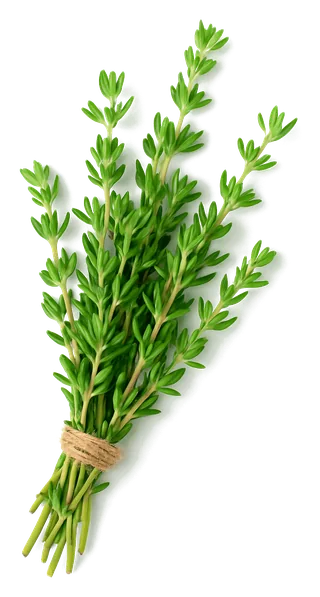
Thyme
The tiny leaves are woodsy and a little peppery. Common thyme has a gentle savory flavor that holds up through a long simmer.
Cook with it. Simmer a whole sprig in a pot of white beans, then pull out the woody stem when you taste for salt. For mushroom pot pie, strip the leaves and cook them into the filling.
To finish. Strip a few tender leaves from their stems and scatter them over sautéed mushrooms or a goat cheese tart while it’s still warm.
In cider-braised chicken, slip fresh sprigs into the cider with the potatoes and lift them out before finishing the sauce. Explore thyme pairings.
Store it. Refrigerate the sprigs in a barely damp paper towel inside a bag. Keep the leaves on their branches until you’re ready to strip them.
Grow it Start with a small plant in a sunny pot with drainage holes. Let the potting mix dry a little between waterings. Snip the tender green tips when you need a sprig for dinner.
When you have a few sprigs left
Chop just before serving
Rinse the herbs under running water and pat them dry. With basil or mint, loosely roll a stack of leaves, then slice across it for narrow ribbons. Use a sharp blade and a steady knife grip for clean cuts.
Freeze a little for soup
Rinse and dry the herbs, then chop them. Divide them into an ice cube tray, cover with water and freeze. Transfer the cubes to a labeled freezer container. Drop a cube into a simmering soup or stew.
Three more herbs to try

Green shiso
Green shiso is a staple of Japanese cooking. Bite into a leaf and you’ll catch mint and citrus. Stack two leaves, roll them loosely, and slice them into fine ribbons. Scatter them over chilled tofu with grated ginger, or stir a pinch into the dipping sauce for cold somen noodles.

Lovage
Lovage tastes like celery with a hint of anise, and a little goes a long way. Start with one finely chopped leaf in a pot of potato soup. Taste the broth before adding another. A few shreds are also good in a potato salad dressed with mustard.
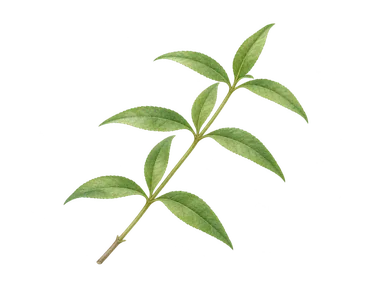
Lemon verbena
Rub a leaf and it smells like freshly grated lemon zest. To capture that scent, take a small pan of simple syrup off the heat, drop in a handful of leaves, and cover for about 15 minutes. Strain the syrup and spoon a little over sliced peaches or into iced tea.
For more on cooking and storing herbs, see University of Maine’s fresh herb guide and Illinois Extension’s guide to preserving herbs. For planting and harvesting, see Illinois Extension’s growing profiles. For more ways to use the last three, try Just One Cookbook’s cold somen, the Royal Horticultural Society’s lovage guide, and Illinois Extension on lemon verbena.
PantryJoy’s cover and three new botanical watercolors were made with ImageGen. Botanical references for the watercolors include the anonymous green shiso plate in Seikei Zusetsu (1804), Leiden University Libraries (CC BY 4.0), Walter Müller’s lovage plate (1888), Biodiversity Heritage Library (CC BY 2.0), and Pierre-Joseph Redouté’s lemon verbena (1801), The New York Public Library (public domain).